
Lead Spread Case Study
When I read through the article, the part of it that stuck out most to me was the quote, "Farmers at that time possessed intimate knowledge of each small corner of each field and, because agronomic practices were primarily manual, could readily translate that knowledge into location specific cultural practices." I thought that idea of returning this past aspect of farming where farmers each little part of their own fields through the top down view of drones was really special. It's like returning to a humanistic root through technology. Technology as it's actually meant to be used, to improve our lives and understanding. The old thing that used to fly above farms were birds, and I thought it'd be interesting to equate a drone to some new version of a hawk you'd see flying overhead at a farm.
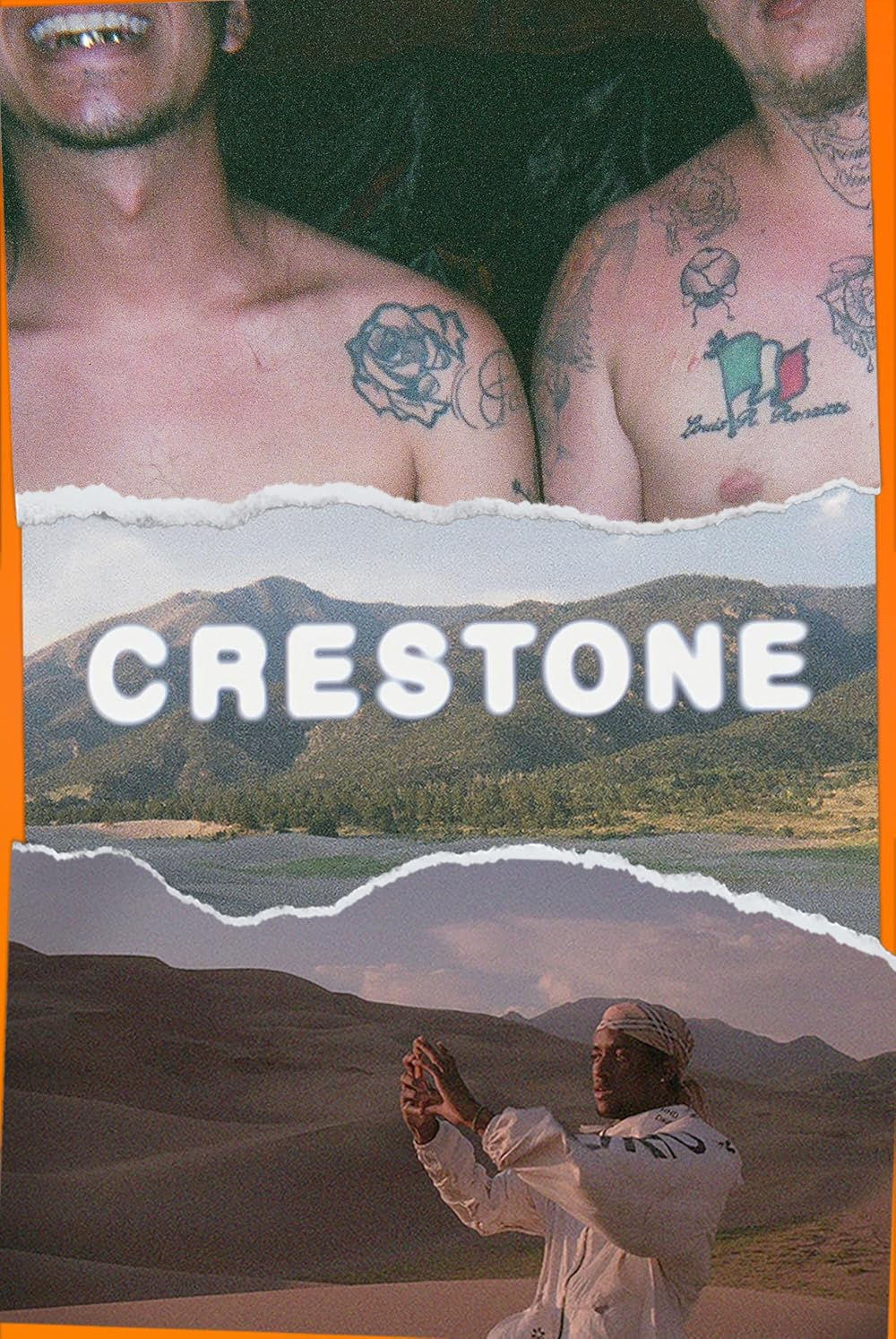
The best way to convey this old style in my head was through a pastoral collage of found materials where you could see the individual rips, much like how farmers could see each individual sew in their field. I've seen this style before in the poster of one of my favorite films Crestone (2020), but they use it very simply.
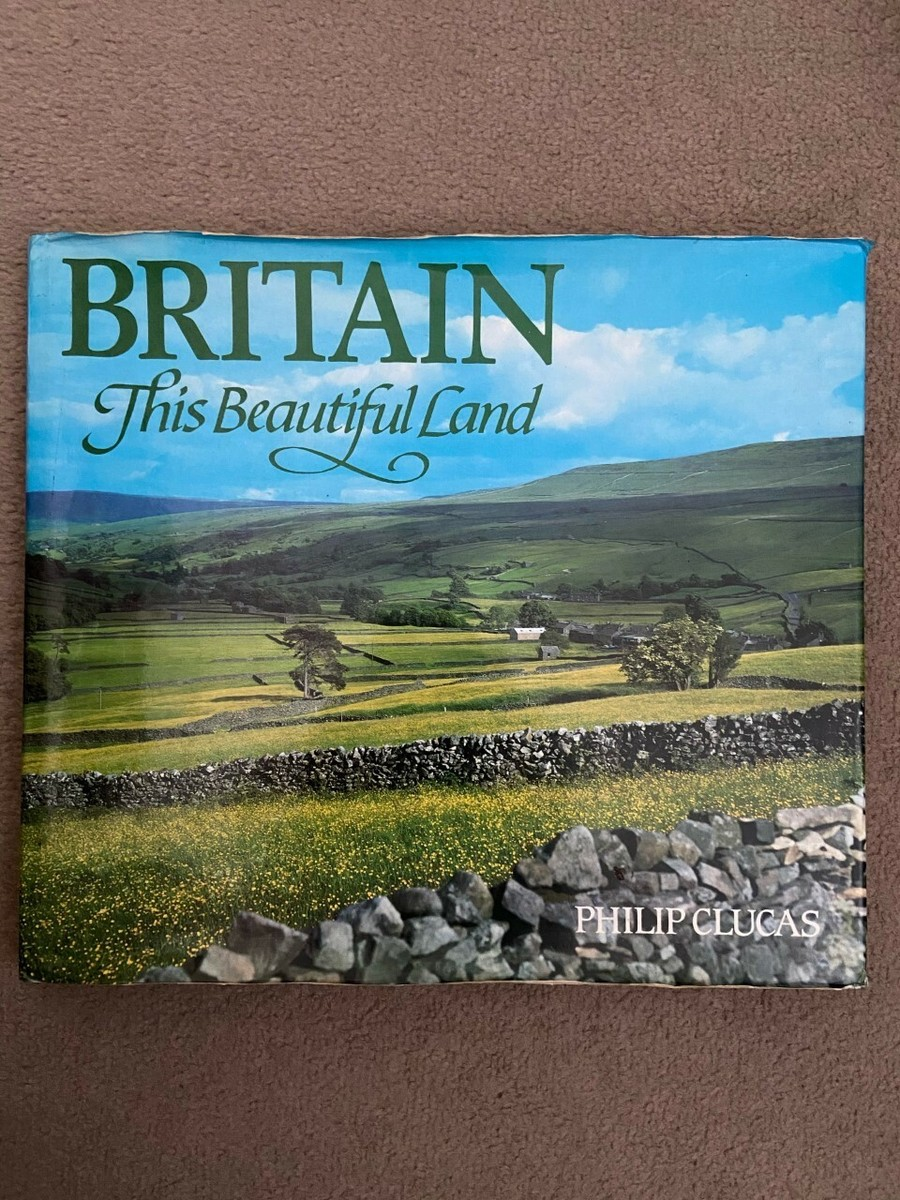
I got really lucky, and when I went home to Dubuque to visit my parents, I found the perfect source for these images. I went to a book drive at my mom's old catholic elementary school, and on the table labeled travel was the book "Britain: This Beautiful Land" by Philip Clucas. It's a book from the '90s that features large photographs of various scenic places in the country side of the British Isles.
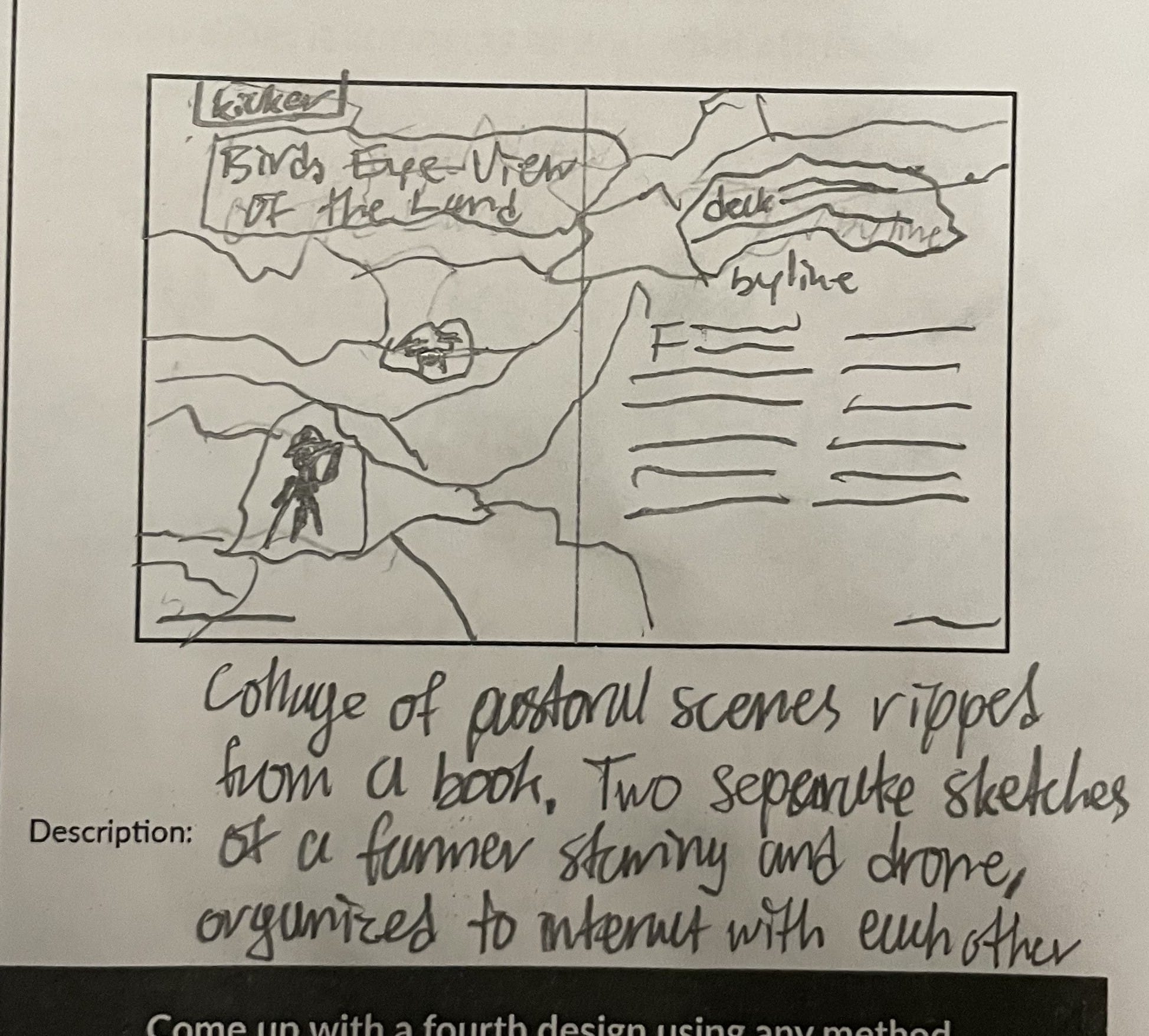
The sketch I made for our lead spread thumbnails is very similar to how the final product came out. The collage is laid out with a gap at the bottom right hand corner so the magazine paragraphs could sit unobstructed. The title also was put on ripped paper. The central part of the piece featured a sketch of a farmer holding a tool, shading his eyes as he stared up at a hovering drone.
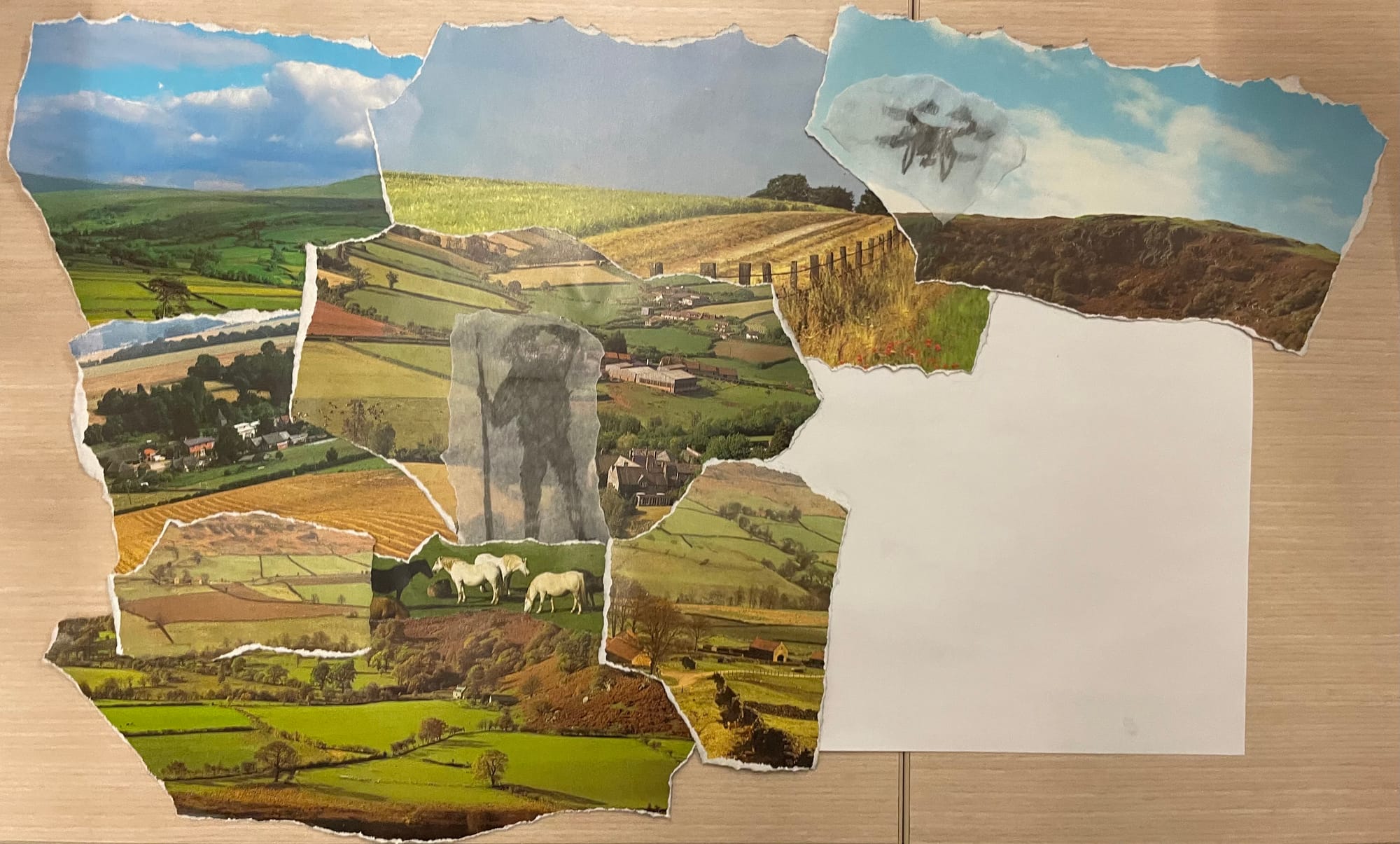
With the collage, I cut out pages and then tore them to frame specific parts of the photos that I wanted to use. These pieces ended up pretty large, so it shifted the scale of the piece, but it was still not a struggle to put together. The farmer occupies the center of the left page, and the drone sits at the top of the right page. I traced myself for the farmer, and just an image of the drone, kind of in the style of Picasso's Don Quixote. I had the skylines line up at the top. The collage of fields gives it this patchiness, similar but slightly surreal compared to real life farm fields and how they're sectioned off.
I then scanned the collage, cropped it so it would fit the tabloid size, and then cut out the white part in photoshop so it would work with the text in InDesign.
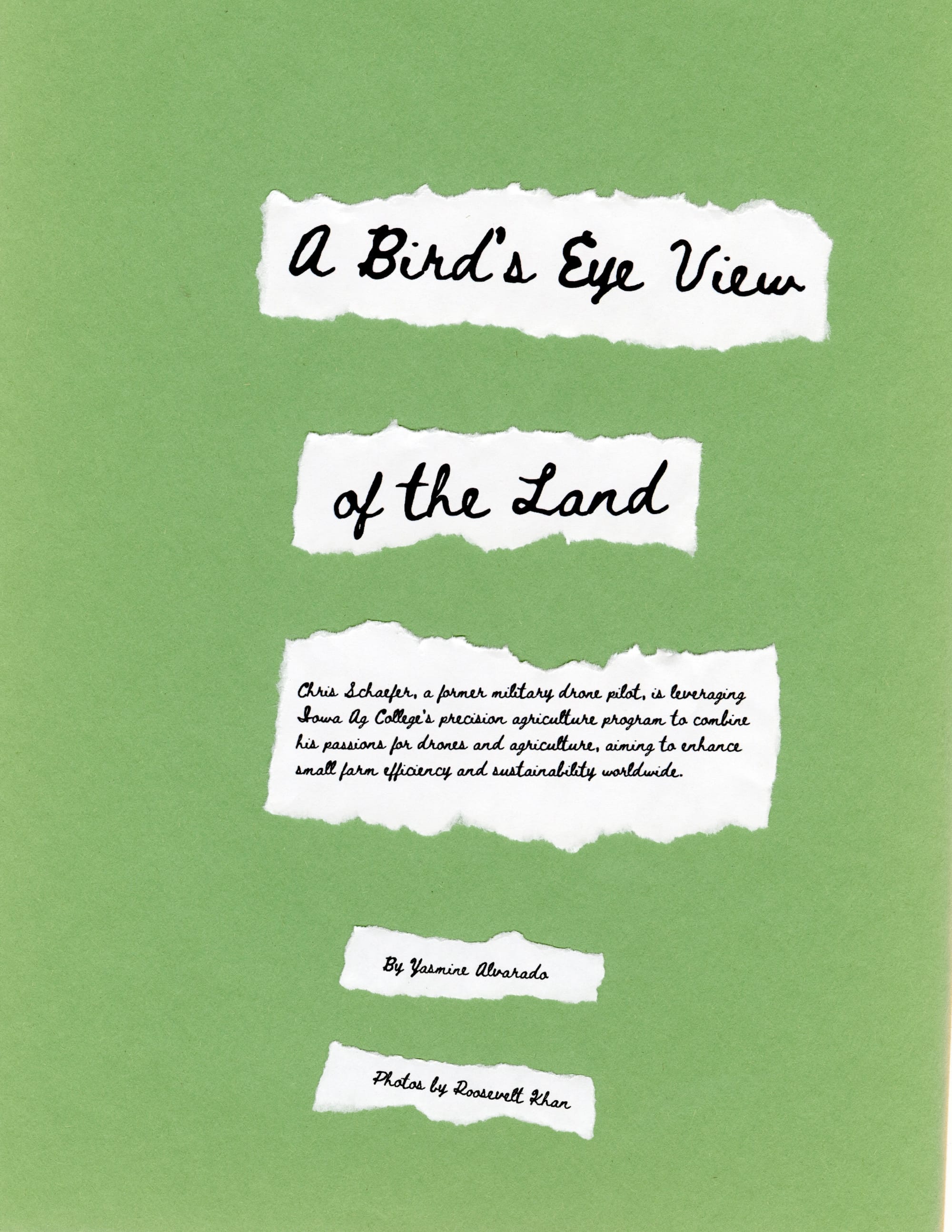
I printed out the title, deck, and bylines onto a printer sheet of paper, and then scanned them as well so I could photoshop the scraps over the collage in the magazine lead spread. I used the Beth Ellen font, the same one as the section headers, because it gave it this rustic homey feel before technology standardized writing more.
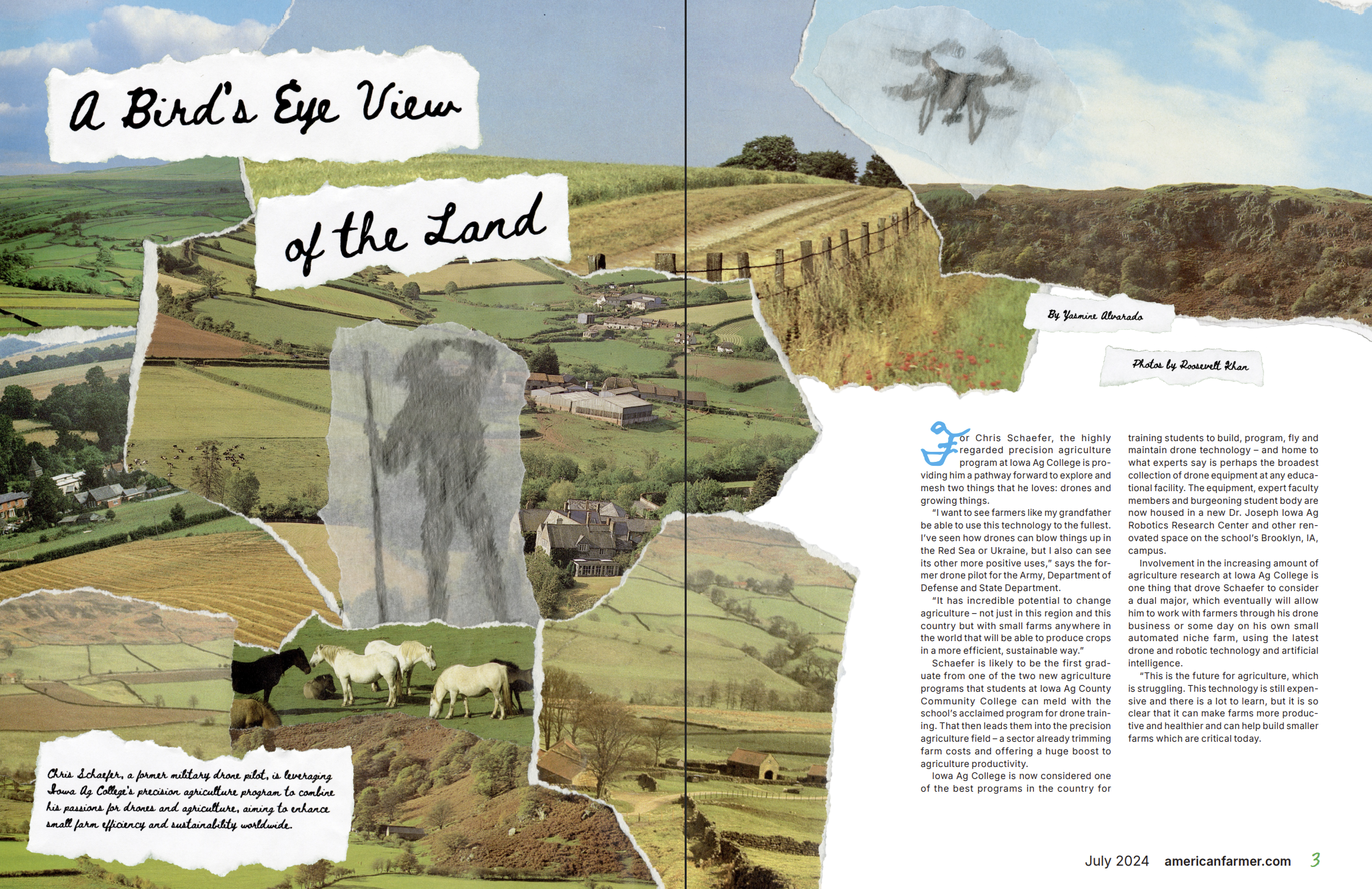
I'm honestly really happy with how this collage turned out. I like it's play at different eras of technology and mediums. It's like the paper scraps are imbedded into the glossy textured magazine page. It has a lot of visual interest with all the different individual collage pieces for people to look at. It has the elements of the farmer and the drone breaking out from the rest of the collage, and accentuating the thematic meaning drawn from the article. It's a double page spread that fills up most of the white space except for where the body paragraphs are, and works as its own stand alone art piece.